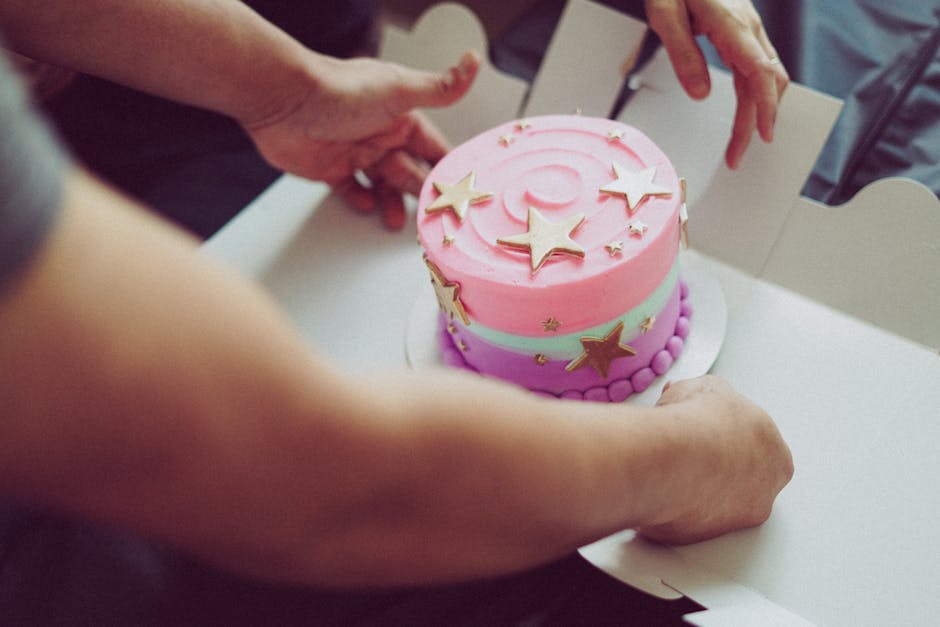
Dog birthdays have crossed over from niche to completely normal. Something that used to get you a raised eyebrow at work now gets you an invitation to a party, and the numbers behind that cultural shift are worth looking at because they tell a bigger story about how we relate to our dogs in 2026.
We pulled together over 30 statistics from the American Pet Products Association (APPA), Pew Research Center, Newsweek, Harris Poll, and other credible sources to build the most complete picture we could find of dog birthday culture right now. Whether you’re planning your dog’s next party or you’re a researcher tracking pet humanization trends, this is everything in one place.
Dog Birthday Celebration Rates

The percentage of dog owners who celebrate their pet’s birthday has climbed steadily over the past decade, and the generational breakdown tells the most interesting part of the story.
| Demographic | Celebration Rate | Source |
|---|---|---|
| All dog owners (U.S.) | 55-60% | APPA 2025 Report |
| Gen Z pet owners (18-28) | 76% | YPulse/APPA Survey |
| Millennial pet owners (29-44) | 67% | YPulse/APPA Survey |
| Gen X pet owners (45-60) | 45% | Harris Poll 2024 |
| Baby Boomer pet owners (61+) | 28% | Harris Poll 2024 |
| Female dog owners | 71% | Rover.com Survey |
| Male dog owners | 49% | Rover.com Survey |
The generational gap here is huge. Gen Z dog owners are nearly three times more likely to throw a birthday party for their dog than Baby Boomers, and that gap reflects something deeper than a passing trend. Younger generations don’t just own pets, they parent them. The language shifted, the emotional investment shifted, and the celebrations followed.
Pet Ownership in the United States
To understand the scale of dog birthday culture, it helps to know how many dogs are actually living in American homes right now.
- 68 million U.S. households own at least one dog in 2025, up from 65.1 million in 2023 (APPA)
- 45.5% of all U.S. households have a dog, making dogs the most popular pet in the country (APPA)
- The average dog-owning household has 1.5 dogs
- 99% of dog owners consider their pet a family member (APPA 2025 Dog & Cat Report)
- About 50% say their dog is just as much a family member as any human in the household
- Millennials are the largest dog-owning generation, making up 33% of all dog owners
- 95 million U.S. households own at least one pet of any kind
When you combine 68 million dog-owning households with that 55-60% birthday celebration rate, you get somewhere around 37 to 41 million households celebrating their dog’s birthday every year. That’s not a quirky subculture, that’s a mainstream consumer behavior.
How Much Do People Spend on Dog Birthdays?

Dog birthday spending runs the full spectrum from a $3 treat grabbed at PetSmart to a catered party with custom decorations, and the distribution tells you a lot about how different people approach the occasion.
| Spending Range | % of Dog Parents |
|---|---|
| Under $25 (treat or toy) | 35% |
| $25 – $50 (small celebration) | 28% |
| $50 – $100 (party with decorations) | 18% |
| $100 – $200 (full party) | 12% |
| Over $200 (premium celebration) | 7% |
The average dog birthday celebration costs between $25 and $75, though that number runs higher among Gen Z and Millennial pet owners who tend to invest more in the experience. Nearly 1 in 5 dog parents spend over $100 on their dog’s birthday, and that figure has ticked upward every year since 2020. The majority of people keep it simple, which makes sense, but the growth is happening at the higher end of the spend range where people are opting for more complete celebrations.
The Pet Industry: Big Picture Numbers
Dog birthdays sit inside a massive pet industry that has grown without interruption for over three decades, including through multiple recessions, which tells you something about how recession-proof the human-pet bond really is.
- The U.S. pet industry reached $158 billion in 2025 (APPA State of the Industry Report)
- Pet food and treats account for the largest share at $72.7 billion
- Pet supplies, including party supplies and gifts, reached $31.5 billion
- Veterinary care accounts for $38.3 billion
- The industry has grown every single year for over three decades, recessions included
- The pet celebration and gifting subcategory is growing at approximately 12-15% annually, which is more than double the broader pet industry growth rate of 5-7%
That last bullet is the one that matters most for this article. The birthday and celebration segment isn’t just growing, it’s growing at roughly double the rate of the overall pet industry. When a subcategory outpaces the market that badly, it usually means the behavior driving it is still in its adoption curve with a lot of room left to run.
Social Media and Dog Birthdays
Social media didn’t create dog birthday culture, but it supercharged it. Platforms like Instagram and TikTok made millions of people realize they weren’t alone in wanting to celebrate their dog’s birthday, and that normalization effect created a self-reinforcing cycle where visibility drives participation, participation drives content, and content drives more visibility.
- The hashtag #dogbirthday has over 5 million posts on Instagram
- #dogbirthdayparty has over 1.2 million posts on Instagram
- Dog birthday content on TikTok generates billions of views annually
- 48% of dog owners who celebrate their dog’s birthday post about it on social media (Rover.com)
- Dog birthday posts receive 3-4x higher engagement than average pet content on Instagram
- The rise of dog influencer accounts has normalized elaborate celebrations, with top accounts like @jiffpom and @tunameltsmyheart setting trends that filter into mainstream dog parent behavior
The 3-4x engagement stat is particularly telling because it means the algorithm rewards dog birthday content, which means more people see it, which means more people are inspired to do it themselves. It’s a flywheel, and it shows no signs of slowing down based on the year-over-year growth in both hashtag volume and engagement rates.
Dog Birthday Gifts: What People Buy
When it comes to what dog parents actually purchase for their dog’s birthday, the data shows a clear preference for practical gifts the dog will enjoy, though the experiential and personalized categories are where the growth is happening.
| Gift Type | % Who Purchase |
|---|---|
| Special treats or chews | 72% |
| New toy | 68% |
| Birthday cake or pupcakes | 41% |
| New clothing or bandana | 29% |
| Birthday party kit or decorations | 22% |
| Professional photoshoot | 8% |
| Spa or grooming session | 15% |
| Personalized items (name/photo) | 19% |
Treats and toys dominate because they’re the most intuitive way to celebrate, but birthday cakes, party kits, and personalized items are all growing at double-digit rates year over year. That growth has attracted brands built specifically around the occasion. Companies like Party Animal, BarkBox, and PupJoy offer curated birthday packages that bundle decorations, dog-safe treats, and party supplies into a single kit, and that all-in-one convenience is a big part of why the category keeps expanding.
Pet Humanization: The Driving Force
Dog birthday celebrations are really just one visible expression of a much larger cultural shift toward treating pets as family members. The underlying data on pet humanization explains why birthday celebrations have grown so quickly and why the trend has real staying power.
- 97% of pet owners say their pet is part of their family (Harris Poll)
- 51% of dog owners buy their dog a birthday present (Newsweek/YouGov)
- 38% of dog owners buy their dog a Christmas or holiday present
- 1 in 3 pet owners say they would go into debt for their pet’s medical care
- 33% of Millennials say they chose to get a dog before, or instead of, having children
- Pet owners spent an average of $1,533 per dog in 2024, up from $1,270 in 2021
- The term “pet parent” has overtaken “pet owner” in Google search volume since 2020
This isn’t a fad and it isn’t going away. It’s a generational realignment of how people relate to their animals. For Millennials and Gen Z, a dog birthday party sits comfortably in the same category as a kid’s birthday party. The survey data has been consistent on this point across every major study published in the last five years, and the spending numbers confirm that people are putting their money where their emotions are.
Dog Birthday Trends for 2026

Based on industry reports and consumer behavior data, these are the patterns shaping dog birthday celebrations this year and heading into next.
- Personalization is leading the market. Generic “happy birthday dog” products are losing ground to personalized items featuring the dog’s name, photo, or breed. Personalized pet products are growing at 20%+ annually.
- Dog-safe ingredient awareness is climbing. Dog parents are doing their homework on what’s safe to feed their dogs. Searches for “can dogs eat [food]” have doubled since 2022, and birthday cakes made with clean, recognizable ingredients are the clear preference.
- Experience over stuff. More dog parents are putting money into experiences like dog-friendly vacations, professional photoshoots, and adventure days rather than defaulting to physical gifts alone.
- Gotcha Day celebrations are growing fast. Celebrating a rescue dog’s adoption anniversary is emerging alongside traditional birthday celebrations, and some dog parents celebrate both dates.
- All-in-one party kits are replacing piecemeal shopping. The convenience trend has arrived in dog birthdays. Complete party kits that include everything you need for a celebration are growing because they remove the friction of sourcing individual items from five different places.
- Social media documentation is baked into the planning. The party isn’t complete without the content. Dog parents are thinking about documentation from the start, which drives demand for photogenic party supplies and setups that look good on camera.
Quick Reference: Key Statistics
| Statistic | Value |
|---|---|
| U.S. households with dogs | 68 million |
| Dog owners who celebrate birthdays | 55-60% |
| Gen Z celebration rate | 76% |
| Average birthday spend | $25-$75 |
| Dog parents spending $100+ | 19% |
| U.S. pet industry size (2025) | $158 billion |
| Dog owners who consider dog family | 99% |
| Birthday celebration growth rate | 12-15% annually |
Sources
All statistics in this article come from the following organizations and publications:
- American Pet Products Association (APPA), 2025 State of the Industry Report and 2025 Dog & Cat Report
- Pew Research Center, American Trends Panel surveys on pet ownership
- Harris Poll, pet ownership and humanization surveys
- Newsweek/YouGov, pet spending and celebration surveys
- Rover.com, annual pet parent surveys
- YPulse, generational pet ownership data
This article is updated annually with the latest available data. Last updated: May 2026.
Related Reading
Frequently Asked Questions
How many people celebrate their dog’s birthday?
Roughly 55-60% of dog owners in the United States celebrate their dog’s birthday in some form, which includes everything from buying a special treat to hosting a full party with guests. Among Gen Z pet owners ages 18 to 28, the rate jumps to 76%.
How much does the average dog birthday party cost?
The average dog birthday celebration costs between $25 and $75. About 35% of dog parents keep it under $25 with a special treat or toy, while 19% spend over $100 on a bigger celebration with decorations, cake, and multiple gifts.
Is celebrating a dog’s birthday normal?
Very much so. With 99% of dog owners considering their pet a family member and over 55% actively celebrating their dog’s birthday, it’s a fully mainstream practice in the United States. The behavior is strongest among Millennial and Gen Z pet owners, but it spans every demographic at this point.
How big is the pet birthday market?
The pet celebration and gifting subcategory is estimated to be a multi-billion dollar segment within the $158 billion U.S. pet industry. It’s growing at 12-15% annually, which is significantly faster than the overall pet industry growth rate of 5-7%, making it one of the most dynamic segments in the entire market.
Leave a Reply