No, dogs should not eat human birthday cake. Most birthday cakes contain ingredients that are harmful to dogs, including high amounts of sugar, butter, and potentially toxic additions like chocolate and xylitol. A small bite of plain vanilla cake probably won’t cause serious harm, but you’re much better off making or buying a dog-specific cake that’s actually safe and nutritious for them.
Why Human Birthday Cake Is a Problem for Dogs

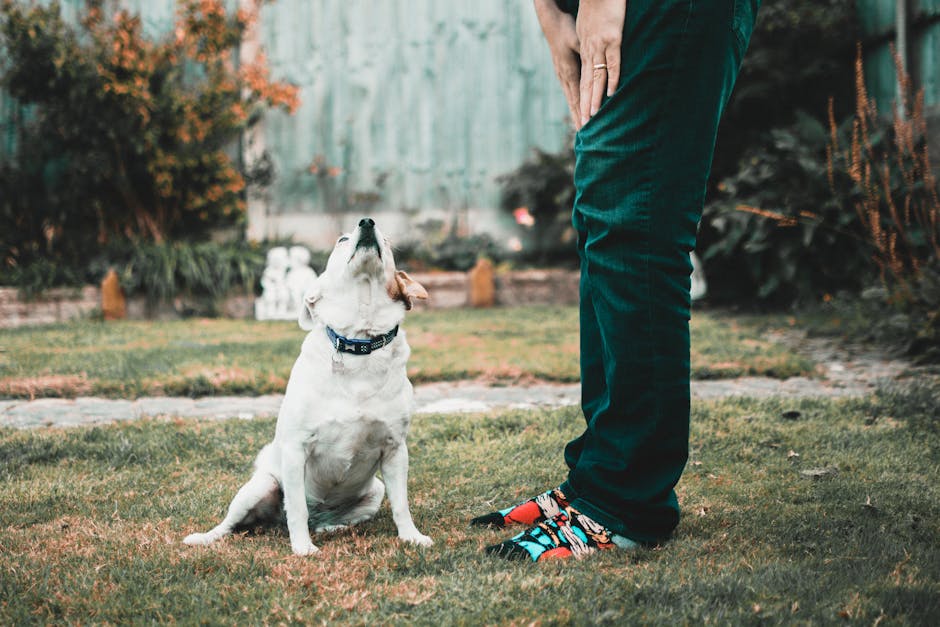
Your dog is staring at that birthday cake with the kind of focus that would make a meditation teacher jealous. Every part of them wants a piece, and you’re sitting there thinking it’s their birthday, so what’s the worst that could happen?
The answer depends entirely on what’s in the cake. Some ingredients in human birthday cake are just unhealthy for dogs, like sugar and butter, while others are actively dangerous, like chocolate and xylitol. A few can be fatal in large enough quantities, which is why this is worth understanding ingredient by ingredient rather than making a blanket judgment.
The good news is that making a dog-safe birthday cake is simple, inexpensive, and your dog will love it just as much as the human version. We’ve got three recipes below that take under 30 minutes of active prep. But first, let’s walk through exactly what’s in a typical birthday cake and how each ingredient affects your dog.
Ingredient-by-Ingredient Breakdown

Chocolate: Potentially Fatal
Risk level: HIGH
Chocolate is the most well-known canine toxin, and that reputation is well earned. It contains theobromine and caffeine, two methylxanthines that dogs metabolize far more slowly than humans do. A person processes theobromine in about 6 to 10 hours, while dogs can take up to 72 hours, which means the compound builds up in their system and reaches dangerous concentrations.
How dangerous it gets depends on the type of chocolate, how much your dog ate, and their body weight.
| Chocolate Type | Theobromine (mg/oz) | Toxic Dose for 20-lb Dog | Risk |
|---|---|---|---|
| White chocolate | 0.25 mg | Extremely unlikely to be toxic | Very low |
| Milk chocolate | 44-64 mg | ~3.5 ounces | Moderate |
| Semi-sweet chocolate | 138-150 mg | ~1.5 ounces | High |
| Dark chocolate (70%+) | 228+ mg | ~1 ounce | Very high |
| Baking chocolate/cocoa powder | 376-450 mg | ~0.5 ounces | Extremely high |
Symptoms of chocolate toxicity: vomiting, diarrhea, rapid breathing, increased heart rate, muscle tremors, and seizures. Symptoms usually show up 6 to 12 hours after the dog eats it.
What to do: If your dog eats chocolate, call the ASPCA Animal Poison Control Center at 888-426-4435 or your emergency vet right away. Don’t wait for symptoms to show up first.
Xylitol (Birch Sugar): Extremely Dangerous
Risk level: CRITICAL
Xylitol is a sugar substitute found in “sugar-free” baked goods, some peanut butters, gum, and candy. It’s arguably more dangerous to dogs than chocolate because the toxic dose is much smaller and the effects hit much faster.
In dogs, xylitol triggers a massive insulin release that causes blood sugar to crash within 10 to 60 minutes. At higher doses, it causes acute liver failure within 24 to 72 hours.
Toxic dose: As little as 0.1 g/kg body weight, which is roughly 1 to 2 pieces of sugar-free gum for a small dog.
Symptoms: vomiting, weakness, loss of coordination, collapse, seizures, and jaundice if liver damage develops.
What to do: This is a real emergency. Get to a vet immediately. Xylitol poisoning can be fatal even with treatment if liver failure sets in.
Important note: Xylitol is increasingly marketed under the name “birch sugar” or “birch sweetener,” so read labels carefully on anything labeled “sugar-free,” “keto-friendly,” or “low-carb.”
Sugar: Unhealthy but Not Toxic
Risk level: LOW (in small amounts)
A small amount of sugar won’t poison your dog, but it’s not doing them any favors either. Dogs don’t need added sugar in their diet, and regular consumption contributes to obesity, dental problems, and potential insulin resistance over time.
A single bite of sugary cake on a birthday is unlikely to cause immediate harm, but making it a habit creates real health problems. Some dogs with sensitive stomachs will get gastrointestinal upset even from a small amount, so you need to know your own dog’s tolerance.
Butter and Oil: GI Distress Risk
Risk level: LOW to MODERATE
The high fat content in butter, oil, and cream is the most common reason dogs get sick after eating birthday cake. Fatty foods can trigger pancreatitis, which is an inflammation of the pancreas that ranges from mild discomfort to a life-threatening emergency depending on severity.
Dogs with a history of pancreatitis are especially vulnerable. Certain breeds, including miniature schnauzers, cocker spaniels, and Yorkshire terriers, are predisposed to the condition and should be kept away from high-fat human food altogether.
Symptoms of pancreatitis: vomiting, abdominal pain (you’ll see a hunched posture or the classic “prayer position”), loss of appetite, diarrhea, fever, and lethargy.
Wheat Flour: Generally Safe
Risk level: VERY LOW
Plain wheat flour is fine for the vast majority of dogs. A small percentage have wheat or gluten sensitivities, but true wheat allergies in dogs are rare. If your dog tolerates their regular kibble without issues, and most commercial kibble contains wheat or grains, then flour in a cake won’t be a problem.
Eggs: Safe
Risk level: NONE
Cooked eggs are a healthy food for dogs and a complete protein source with bioavailable nutrients. Eggs are actually a key ingredient in most dog-safe cake recipes, so you’ll see them in every recipe below.
Vanilla Extract: Use Caution
Risk level: LOW (in typical cake amounts)
Pure vanilla extract contains 35% alcohol, which is toxic to dogs in significant quantities. However, the amount used in a typical cake recipe, usually 1 to 2 teaspoons distributed through an entire cake, is minimal and largely bakes off during cooking. A bite of vanilla cake won’t be dangerous, but you should never let your dog drink vanilla extract straight from the bottle.
Frosting: Best to Avoid
Risk level: MODERATE
Frosting is essentially concentrated sugar and fat, sometimes with cream cheese or butter added. It’s the single most problematic part of a cake for dogs because it packs the highest density of the things dogs shouldn’t eat in large quantities. Buttercream frosting by itself won’t poison your dog, but it can easily trigger GI upset or push a dog closer to pancreatitis risk.
Some frostings also contain artificial colors and flavors that haven’t been tested for safety in dogs, which is another reason to skip it.
Common Cake Add-Ins: Check Each One
| Add-In | Safe for Dogs? | Notes |
|---|---|---|
| Peanut butter | Yes, if xylitol-free | Check the label every single time |
| Raisins | NO, toxic | Can cause acute kidney failure |
| Macadamia nuts | NO, toxic | Causes weakness, vomiting, tremors |
| Walnuts | Risky | Can contain mold toxins, best to avoid |
| Coconut | Yes, in moderation | High in fat, so keep it to small amounts |
| Blueberries | Yes | Antioxidant-rich and a great topper |
| Strawberries | Yes, in moderation | Remove stems and the natural sugar is fine in small amounts |
| Coffee/espresso | NO, toxic | Caffeine toxicity is similar to chocolate |
| Nutmeg | NO, toxic in large amounts | Contains myristicin, so avoid it |
What Happens If Your Dog Already Ate Birthday Cake
If it already happened, don’t panic, but do take a few minutes to assess what you’re dealing with.
- Figure out what was in the cake. Was it chocolate? Did it contain xylitol? Were there raisins? If the answer to any of those is yes, call the ASPCA Poison Control at 888-426-4435 or your emergency vet immediately.
- Estimate how much they ate. A single lick of vanilla buttercream is a very different situation from half a chocolate cake. The amount matters enormously.
- Factor in your dog’s size. A 70-pound lab eating a bite of cake is very different from a 7-pound Chihuahua eating the same bite, because toxicity is dose-dependent and calculated relative to body weight.
- Watch for symptoms. If the cake was plain vanilla or white cake without any toxic ingredients, just monitor for GI upset over the next 12 to 24 hours. Vomiting and diarrhea are the most common reactions, and they usually resolve on their own.
When to Call the Vet Immediately
- Your dog ate chocolate cake in any amount, depending on the dog’s size
- The cake contained xylitol or was labeled “sugar-free”
- Your dog ate raisins, macadamia nuts, or coffee-flavored cake
- Your dog is showing symptoms like vomiting, tremors, weakness, rapid breathing, or seizures
- Your dog is very small, under 10 pounds, and ate more than a small bite
3 Dog-Safe Birthday Cake Recipes

Now for the fun part. All three of these recipes use ingredients that are not only safe for dogs but actually nutritious, and each one takes under 30 minutes of active prep time. Your dog won’t know or care that the cake wasn’t made for humans, they’ll just know it smells incredible and you’re giving them a piece.
Recipe 1: Classic Peanut Butter Banana Cake
Time: 15 min prep, 25 min bake
Cost: ~$6
Makes: One 6-inch round cake
Ingredients:
- 1 cup oat flour (just blend rolled oats in a blender or food processor)
- 1 ripe banana, mashed
- 1/4 cup natural peanut butter (xylitol-free)
- 1 egg
- 1/4 cup unsweetened applesauce
- 1 tablespoon coconut oil, melted
Frosting:
- 1/2 cup plain Greek yogurt
- 1 tablespoon peanut butter
Instructions:
- Preheat oven to 350 degrees F. Grease a 6-inch round pan or line it with parchment.
- Mix all cake ingredients until just combined. Don’t overmix.
- Pour into the pan and bake for 25 minutes, or until a toothpick comes out clean.
- Cool completely before frosting.
- Mix the yogurt and peanut butter together and spread it over the cooled cake.
- Top with banana slices, blueberries, or a dog biscuit for decoration.
Recipe 2: Pumpkin Spice Pupcakes (No Actual Spice)
Time: 10 min prep, 20 min bake
Cost: ~$5
Makes: 6 cupcakes
Ingredients:
- 1 cup oat flour
- 1/2 cup canned pumpkin (pure pumpkin, NOT pie filling)
- 1 egg
- 2 tablespoons honey
- 1/4 cup water
- 1 tablespoon coconut oil
Frosting:
- 4 oz cream cheese, softened
- 1 tablespoon honey
Instructions:
- Preheat oven to 350 degrees F. Line a muffin tin with 6 cupcake liners.
- Combine all cake ingredients and mix until smooth.
- Divide evenly among the 6 cups.
- Bake for 18 to 20 minutes until set.
- Cool completely, then beat the cream cheese and honey together and frost the cupcakes.
Important: Use only plain canned pumpkin for this recipe. Pumpkin pie filling contains sugar, spices including nutmeg (which is toxic to dogs), and other additives that you don’t want anywhere near your dog’s cake.
Recipe 3: Frozen Yogurt “Ice Cream” Cake (No-Bake)
Time: 10 min prep, 4 hours freeze time
Cost: ~$5
Makes: One 6-inch cake
Ingredients:
- 2 cups plain Greek yogurt (check the label for xylitol)
- 1 mashed banana
- 2 tablespoons peanut butter
- 1/2 cup blueberries
- Dog biscuits for decoration
Instructions:
- Mix the yogurt, banana, and peanut butter until smooth.
- Pour half the mixture into a 6-inch cake pan lined with plastic wrap.
- Scatter blueberries over the first layer.
- Pour the remaining mixture on top.
- Freeze for at least 4 hours, though overnight is best.
- Unmold and decorate with dog biscuits and a few extra berries.
- Let it sit for about 5 minutes before serving so it’s soft enough to lick without being rock-hard.
This is the easiest option of the three and it works especially well for summer birthdays or for dogs who aren’t that interested in traditional cake textures.
Buying a Dog-Safe Cake Instead
If baking isn’t something you’re interested in, there are plenty of ready-made options available now.
- Local dog bakeries: Most mid-size and larger cities have at least one bakery that specializes in dog treats and cakes. Prices typically range from $15 to $40 depending on size and customization.
- Online dog bakeries: Several ship nationwide, so order a few days ahead to make sure everything arrives fresh.
- Pet store options: Many pet retail chains carry dog cake mixes where you just add water and an egg, usually for $8 to $12.
- Dog birthday kits: Some companies, including Party Animal among others, bundle dog-safe treats with party supplies for a one-stop birthday solution.
How Much Cake Can a Dog Eat?
Even dog-safe cake should be given in moderation because a birthday cake, even one made with healthy ingredients, is a treat and not a meal replacement. Here are the general serving size guidelines based on your dog’s weight.
| Dog Size | Appropriate Serving |
|---|---|
| Small (under 20 lbs) | 1-2 tablespoons |
| Medium (20-50 lbs) | 1/4 cup (a small slice) |
| Large (50-80 lbs) | 1/3 to 1/2 cup |
| Giant (80+ lbs) | 1/2 to 3/4 cup |
A good rule of thumb is the 10% rule: treats, including birthday cake, should make up no more than 10% of your dog’s daily caloric intake. If you’re giving them cake, scale back their regular meal a bit to compensate.
The Bottom Line
Human birthday cake and dogs are not a good combination. The sugar, fat, and potentially toxic ingredients make it a risk that’s not worth taking, especially when the dog-safe alternatives are this easy and this cheap to make.
Your dog has no concept of the difference between a $40 bakery cake made for humans and a $6 homemade peanut butter banana cake made for them. All they know is that something smells incredible and you’re giving them a piece of it. That moment of excitement is the whole point of the celebration, and you can create it without any of the health risks.
If you’re planning a full celebration beyond just the cake, head over to our complete dog birthday party guide for everything else you need. And for the latest data on how many dog parents are celebrating, check out our dog birthday statistics roundup.
Related Reading
Frequently Asked Questions
Can a small bite of birthday cake hurt my dog?
It depends on what’s in the cake. A small bite of plain vanilla or white cake without chocolate, xylitol, or raisins is unlikely to cause serious harm to a medium or large dog, though it may trigger mild GI upset. That said, even a small bite of chocolate cake can be dangerous for small dogs, and any amount of xylitol is a medical emergency regardless of size. When you’re not sure what’s in the cake, skip it and offer a dog-safe treat instead.
What frosting is safe for dogs?
The safest dog-friendly frostings are plain Greek yogurt, mashed banana, a thin spread of xylitol-free peanut butter, or a mixture of cream cheese and honey. Avoid buttercream, fondant, whipped cream with sugar, and anything with artificial colors or flavors. Dog-safe frosting doesn’t need to look like the human version because your dog cares about how it tastes, not how it photographs.
Is carob a safe chocolate substitute for dogs?
Yes, carob is completely safe for dogs and is commonly used as a chocolate substitute in dog bakery products. It’s naturally sweet, contains no caffeine, and has no theobromine at all. You can find carob chips and carob powder at most health food stores. It doesn’t taste exactly like chocolate to humans, but dogs don’t have a reference point for comparison and they seem to enjoy it regardless.
My dog ate chocolate cake. What should I do?
Start by estimating how much they ate and identifying what type of chocolate was in the cake, because dark chocolate and baking chocolate are far more dangerous than milk chocolate. Call the ASPCA Animal Poison Control Center at 888-426-4435 or your emergency vet immediately, and they’ll calculate whether your dog received a toxic dose based on the type of chocolate, the amount eaten, and your dog’s weight. Do not try to induce vomiting unless a veterinarian specifically tells you to. Time matters a lot with chocolate toxicity, so call right away rather than waiting to see if symptoms develop.
Leave a Reply